

What is the 179D deduction?
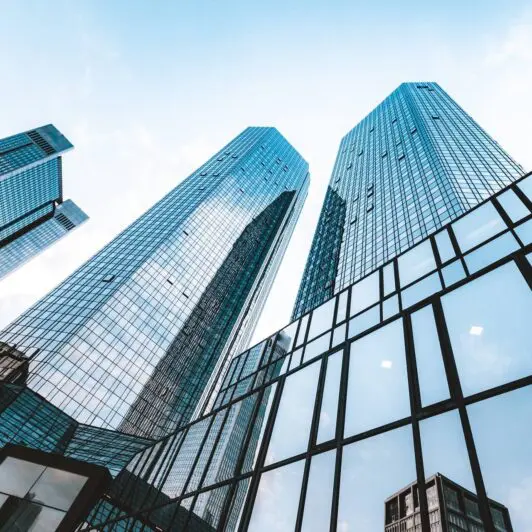
The 179D deduction is a federal tax deduction for energy-efficient commercial buildings. It rewards projects that improve energy performance through interior lighting systems, HVAC systems, and upgrades to the building envelope system.
The deduction applies to newly constructed buildings, renovated buildings and additions made to existing buildings. It can be claimed by the building owner or, in instances where the owner is tax-exempt, it can be allocated to qualified designers.
Experienced 179D consultants at Ayming USA help businesses determine eligibility, calculate deductions, and document compliance in line with IRS requirements.
Is the 179D program ending in 2026?
Yes. Under current law, the 179D program is scheduled to sunset in 2026.
That does not mean opportunities disappear immediately. Timing matters, and many businesses are able to claim tax deductions retroactively as far back as Calendar Year 2022.
What is the key 2026 deadline?
Projects that begin construction before July 1, 2026, may still qualify for the 179D deduction, even if construction finishes later. Time is of the essence! Get those golden shovels on the ground. Contact Ayming’s tax specialists today to help you identify what qualifies.
This makes early planning critical for companies considering capturing meaningful tax deductions via 179D for this year and for future years (2027, 2028, etc.)
Can past projects still qualify?
Yes. Many companies overlook the fact that past projects may still be eligible.
If a building or improvement was placed in service in prior tax years and meets the technical requirements, the deduction may still be claimed through amended returns, subject to the statute of limitations (up to three years after the tax return has been filed).
This applies to both privately owned buildings and certain government-owned buildings where the deduction was allocated to a designer. It only applies to qualified designers seeking the deduction on qualified projects completed in prior years.
For commercial buildings that are privately owned, this same rule does not apply. Experts at Ayming USA can guide you on these tax code nuances and ensure a proper 179D claim.
Who can benefit from 179D in 2026?
The 179D deduction can apply to several types of taxpayers:
- Commercial building owners
- Designers of government (federal, state, local), non-profit, or tax-exempt buildings (501c3)
- Architecture, engineering, and construction firms involved in qualifying projects for tax-exempt owners
Eligibility depends on ownership structure, project type, and how the energy efficiency improvements were implemented and documented.
What types of improvements qualify for 179D?
Qualifying improvements generally fall into three categories:
- Interior lighting systems
- Heating, cooling, ventilation, and hot water systems
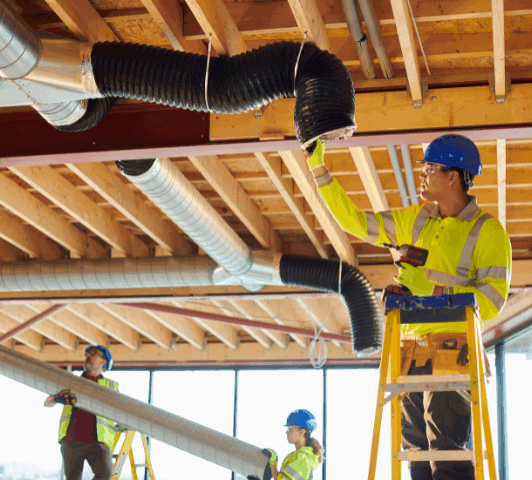
- Building envelope components such as roofs, walls, and windows
To qualify, improvements must meet specific energy efficiency standards compared to a reference building defined by the IRS and the Department of Energy.
How much is the 179D deduction worth?
The value of the 179D deduction varies based on energy analysis, and for projects completed on or after January 1, 2023, there is a bonus deduction for certain prevailing wage and apprenticeship requirements.
If projects meet prevailing wages and apprenticeship rules, the deduction is significantly higher than for projects that do not meet them. The deduction is not all or nothing, and qualified deductions still apply when those prevailing wages and apprenticeship requirements are not met.
A detailed 179D analysis and professional engineering certification are required to calculate the allowable Tax Deduction amount.
What is the importance of properly documenting a project that breaks ground in 2026?
As the program approaches the sunset date of June 30, 2026, IRS review techniques are expected to become more detailed.
Proper supporting documentation is required, including:
- Construction start date
- Qualified systems included in the 179Danalysis
- A clear picture of what existed, and how the new building was constructed
Incomplete or incorrect documentation can delay or disqualify a claim.
How does 179D connect to sustainability strategy?
179D is not only a tax incentive. It supports broader sustainability goals by encouraging reduced energy consumption and improved building performance.
Many companies use 179D alongside ESG reporting, long-term energy planning, and capital improvement strategies.
What should companies do now?
Companies considering energy-efficient construction or renovations should act sooner rather than later.
Key next steps include:
- Reviewing past projects for potential retroactive eligibility
- Evaluating upcoming construction timelines against the June 30, 2026, start-of-construction deadline
- Confirming wage and apprenticeship compliance early
- Engaging specialists who understand the technical and tax requirements
How Ayming USA supports 179D claims
The consultants at Ayming USA are experts in the 179D tax deduction. Ayming helps businesses navigate eligibility rules, manage engineering studies, and provides qualified documentation through our iron-clad three-tier quality control process.
As the 179D program has entered its final year, clear guidance and accurate analysis are more important than ever.